

 Feed back
 Privacy Policy
For countless language learners across the US and UK, the frustration is palpable - despite years of classroom instruction, real conversational fluency remains elusive. This widespread phenomenon exposes a critical gap in traditional language education: the neglect of the fundamental language and culture connection. Recent studies from Cambridge University Press reveal that 68% of intermediate learners plateau precisely because they lack cultural context for their target language.
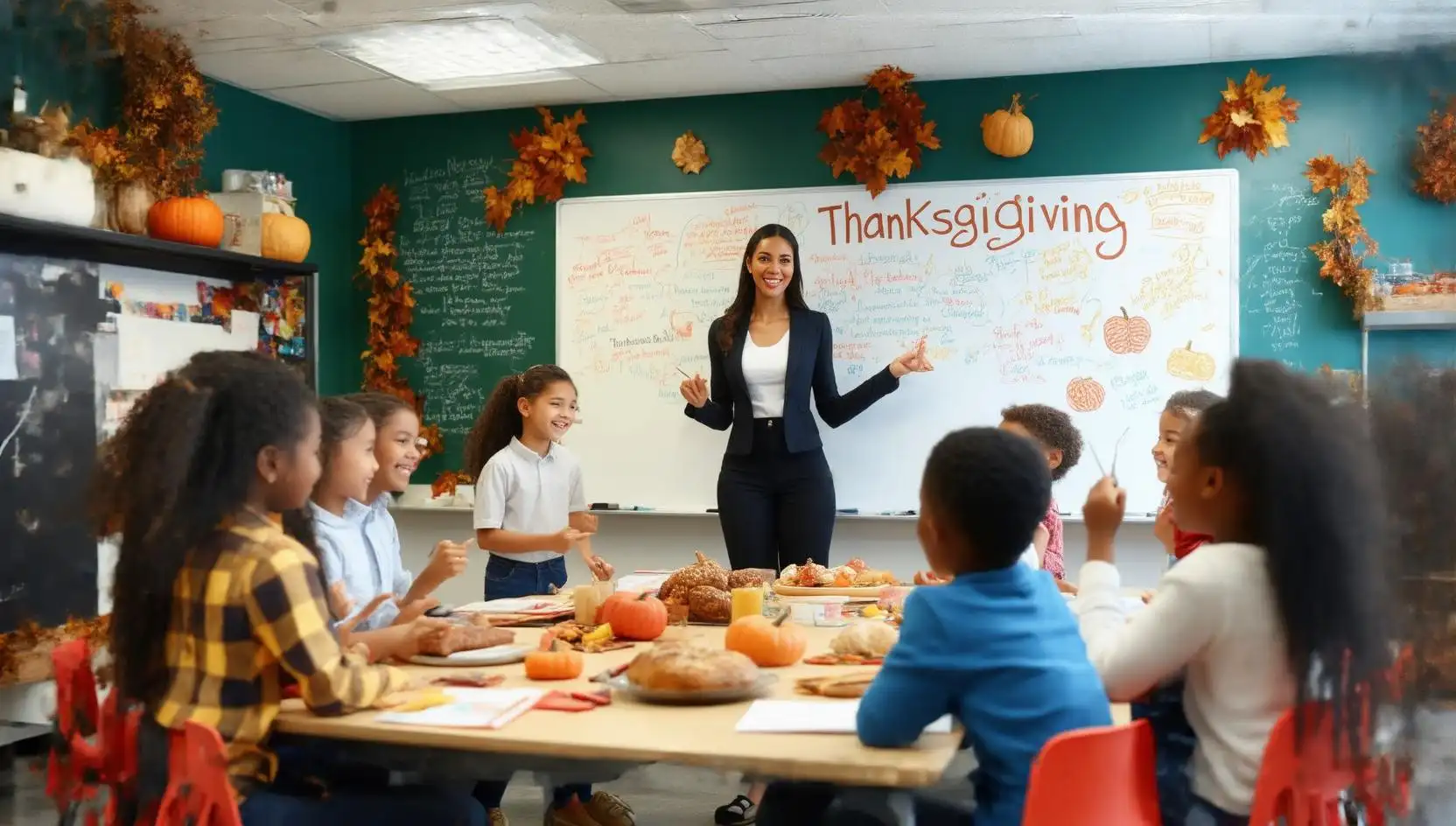
Language functions as a living cultural artifact, with American English providing particularly vivid examples. Consider the phrase "throw someone under the bus" - to native speakers, this immediately conveys betrayal in workplace dynamics. However, for learners engaged in immersive language learning without cultural context, the literal image might confuse more than illuminate. Research from the Linguistic Society of America shows that idioms and slang account for nearly 40% of comprehension difficulties among second language learners.
Empirical evidence overwhelmingly supports the value of cultural integration. According to ACTFL's 2023 National Assessment, students who combined cultural activities with language study showed:
These findings demonstrate that language and culture connection isn't optional - it's the accelerator for meaningful language acquisition.
Modern technology has revolutionized immersive language learning opportunities. Streaming platforms now offer:
A University of London study found that learners who supplemented textbook study with 5+ hours weekly of authentic media improved comprehension 27% faster than peers using traditional methods alone.
Culinary culture provides perhaps the most delicious path to learn language through culture. Consider these practical applications:
| Language Benefit | |
|---|---|
| Ordering at a pub | Practices indirect requests ("I'll have...") and small talk |
| Thanksgiving dinner | Teaches holiday-specific vocabulary and traditions |
While international study remains the gold standard for real-world language use, local alternatives abound:
The British Council reports that participants in such programs demonstrate 23% greater pragmatic competence than classroom-only learners.

The psychological barrier to real-world language use can be overcome through structured approaches:
Language partner apps like Tandem report that users who complete this progression show 3x greater long-term commitment to language learning.
The evidence is unequivocal - immersive language learning divorced from cultural context produces limited, often frustrating results. By embracing the language and culture connection through media, cuisine, social interactions, and community engagement, learners transform their relationship with the target language from academic exercise to living communication.
Disclaimer: The information provided in this article about The Role of Cultural Immersion in Effective Language Learning is for educational purposes only. For personalized language learning advice, please consult with a qualified language instructor.
While basic transactional communication is achievable, research from the Modern Language Association shows that cultural understanding is required for true proficiency beyond the A2 level.
Virtual immersion strategies like watching foreign films without subtitles, participating in online language exchanges, and following target-language social media accounts can provide 72% of the benefits of physical immersion according to Duolingo's 2023 impact report.
The BBC's cultural programming, NPR's storytelling podcasts, and The Guardian's lifestyle sections offer rich, authentic materials for learners at various levels.
Emma Harrison
|
2025.09.11


