

 Feed back
 Privacy Policy
For millions of English learners across the United States and Britain, achieving native-like pronunciation remains one of the most persistent challenges in language acquisition. Traditional classroom methods often fail to provide the immediate, personalized feedback crucial for mastering subtle phonetic distinctions. However, the emergence of speech recognition language applications powered by conversational AI tutoring is revolutionizing pronunciation training, creating unprecedented opportunities within both US education technology and UK digital learning ecosystems.
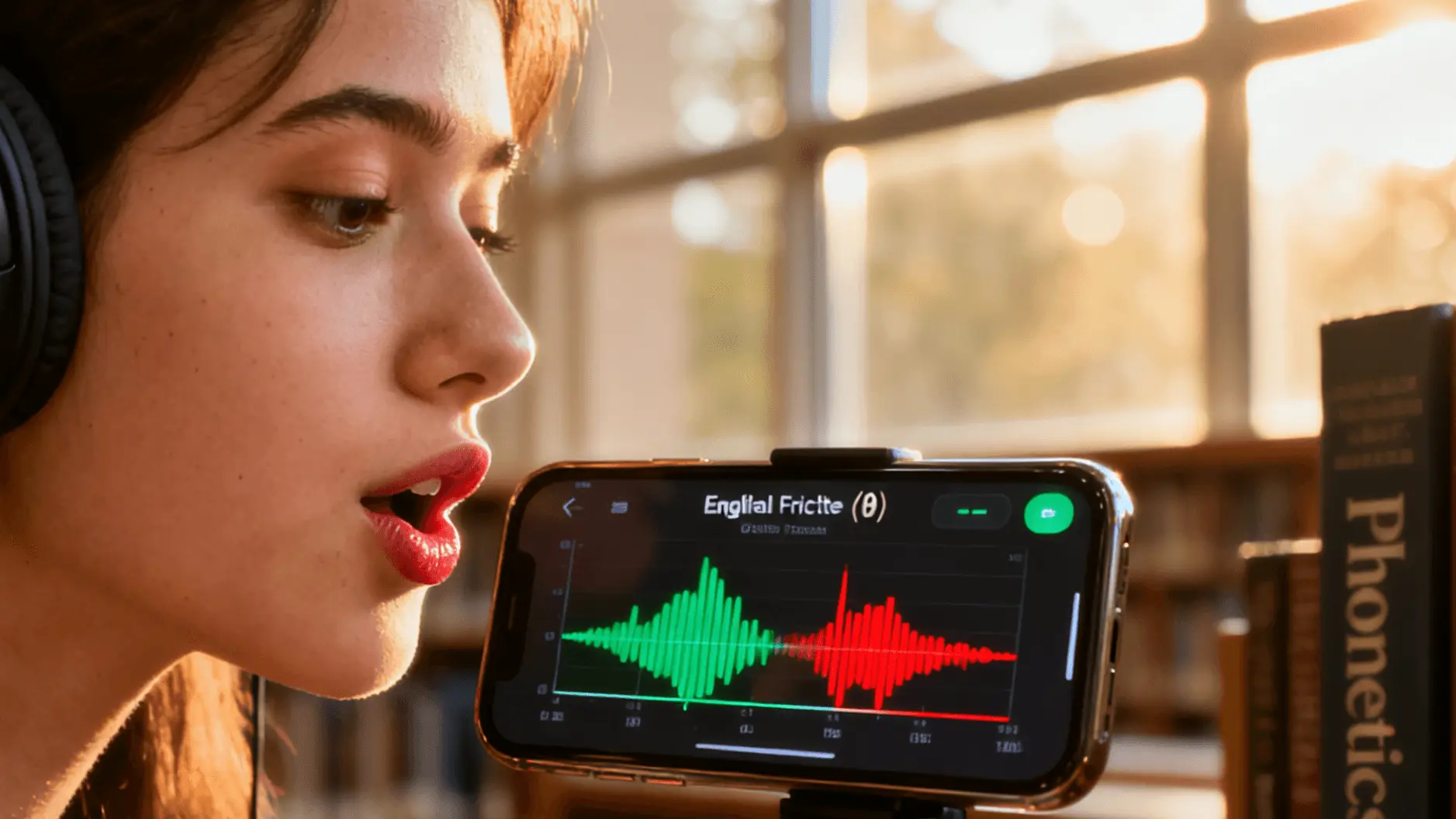
Modern speech recognition language applications utilize advanced neural networks that analyze over 200 phonetic parameters in real-time, far surpassing human tutors' capacity to detect subtle pronunciation errors. According to a 2023 MIT study published in the Journal of Educational Technology, these systems can identify vowel length variations with 92.7% accuracy and intonation pattern deviations with 89.3% precision - metrics unattainable through traditional instruction methods.
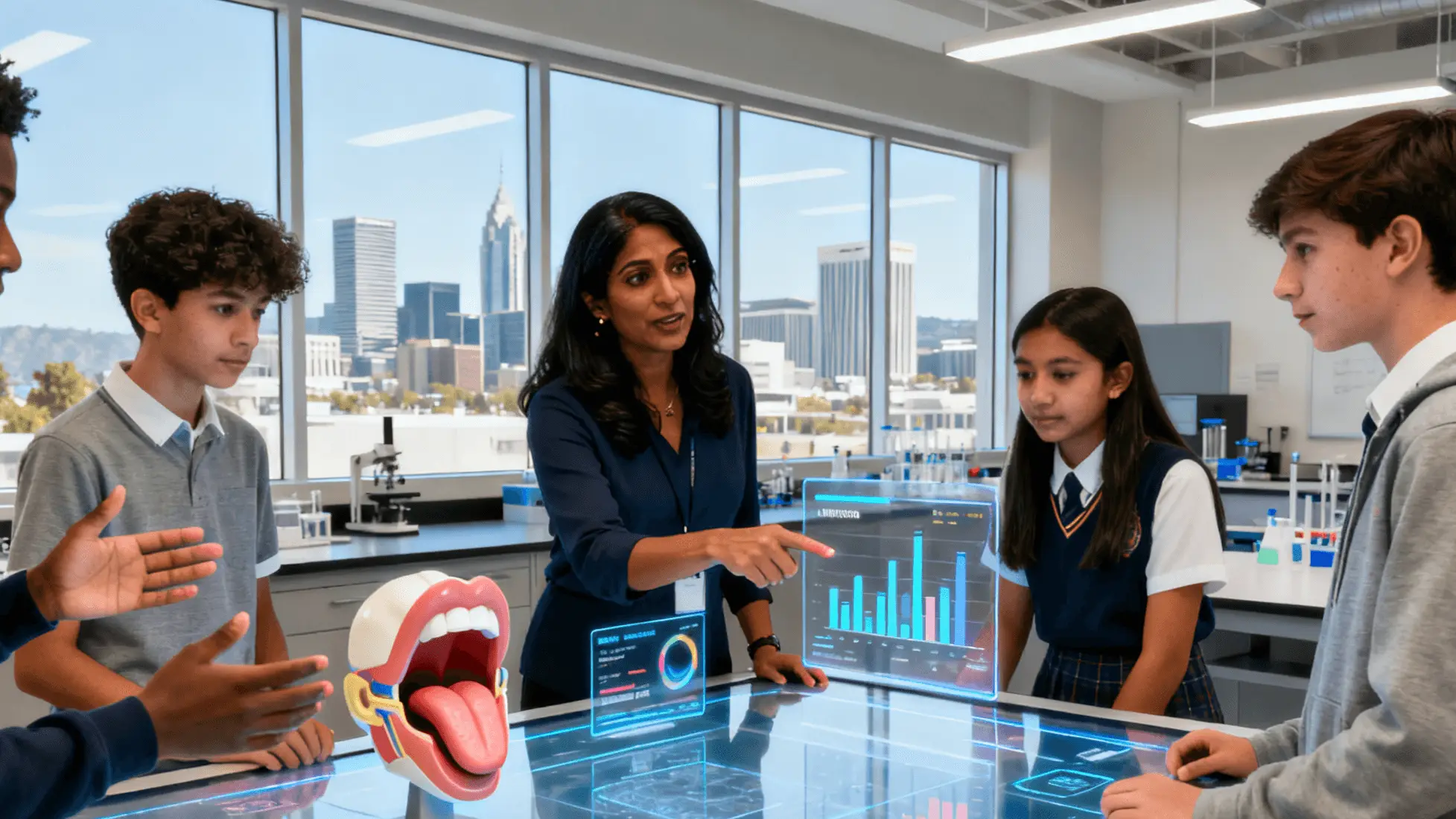
The Los Angeles USD reported a 42% improvement in Spanish pronunciation accuracy among middle school students after implementing AI-powered pronunciation training tools district-wide. The system's ability to provide instant visual feedback on tongue positioning and airflow through 3Dmodeling proved particularly effective for mastering challenging phonemes like the Spanish rolled /r/.
The US education technology sector has seen explosive growth in voice-activated learning tools, with market leader Duolingo reporting a 217% increase in active users for its AI conversation features since 2021. Federal funding through the Every Student Succeeds Act (ESSA) has allocated $87 million specifically for AI language learning initiatives in Title I schools.
Recent data from the US Department of Education reveals that 68% of K-12 districts now incorporate some form of speech recognition language applications in their ELL programs, up from just 23% in 2018. States like Texas and Florida have mandated AI pronunciation tools as part of their standard language curriculum, citing research from Harvard's Graduate School of Education showing 31% faster fluency acquisition rates.
The UK digital learning landscape has embraced AI language tutors through innovative public-private partnerships. The Department for Education's 2022 Modern Foreign Languages Strategy allocated £14.2 million specifically for developing conversational AI tutoring systems tailored to the British curriculum.
A 2023 pilot program across 45 London secondary schools demonstrated that students using AI pronunciation tools achieved speaking test scores 0.9 grade points higher than peers using traditional methods. Perhaps more significantly, the University College London Institute of Education found these students showed 53% greater willingness to engage in spontaneous conversation - a crucial metric for real-world language application.
While speech recognition language applications offer tremendous potential, concerns remain about data privacy and algorithmic bias. A 2023 Ofcom report revealed that 67% of British parents express concerns about voice data collection in educational apps, prompting stricter GDPR enforcement from the Information Commissioner's Office.
Emerging technologies like augmented reality and haptic feedback systems promise to further enhance pronunciation training. Cambridge University's Language Sciences Institute is currently testing AR glasses that provide real-time visual cues for mouth positioning, while MIT's Media Lab has developed a wearable device that uses gentle vibrations to correct tongue placement errors.
【Disclaimer】The content regarding serves for reference only and does not constitute professional advice in related fields. Readers should make decisions based on their specific circumstances and consult qualified professionals when necessary. The author and publisher shall not be held responsible for any consequences resulting from actions taken based on this content.
Elizabeth Carter
|
2025.09.25


