

 Feed back
 Privacy Policy
In today's interconnected business landscape, German-speaking professionals have emerged as crucial drivers of the global economy, offering unique business advantages that multinational corporations increasingly depend upon. Their combination of technological expertise, cultural adaptability, and linguistic skills creates unparalleled value international markets where precision and innovation determine competitive success.
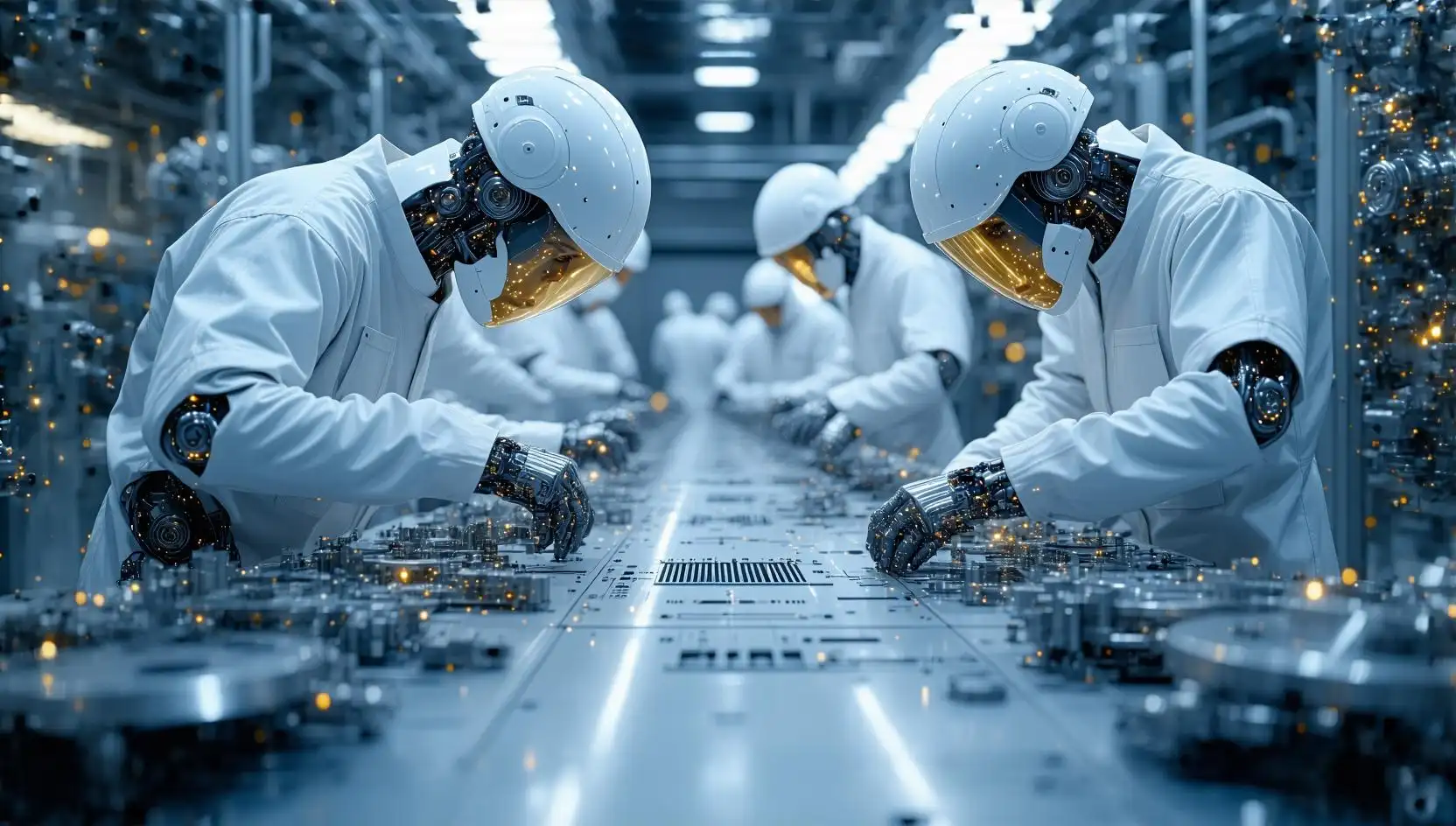
As Europe's largest economy and the world's third-largest exporter, Germany has built an economic infrastructure that empowers German-speaking professionals to shape international commerce. The nation's industrial heritage dating back to the 19th century established standards of engineering excellence and manufacturing precision that continue influencing global supply chains. According to World Trade Organization data, Germany accounted for 7.8% of worldwide merchandise exports in 2021, demonstrating how German-speaking professionals operate at the heart of transnational business networks.
What truly distinguishes German-speaking professionals is their technical education combining theoretical knowledge with vocational training. This dual system produces workforce-ready graduates with specialized expertise in engineering, advanced manufacturing, and digital technologies—skills increasingly scarce in the global economy. Companies like BASF and Continental actively participate in shaping curricula, ensuring education aligns with industry needs and creating immediate business advantages for employers.
Beyond technical qualifications, German-speaking professionals bring intercultural competencies critical for success in global markets. Their bilingual capabilities facilitate negotiations across European markets, while cultural awareness helps navigate complex international business environments. Studies from the European Commission show multilingual professionals increase cross-border deal success rates by 32%, making German-speaking talent particularly valuable for companies expanding into Central and Eastern European markets.
German-speaking professionals dominate sectors where precision and reliability are paramount. In automotive engineering, companies like Porsche maintain industry-leading quality standards with 0.3 defects per vehicle compared to the industry average of 1.5. Similar excellence appears industrial automation, where Siemens controls 27% of the global programmable logic controller market. These achievements stem from Germany's engineering culture that prioritizes thoroughness and continuous improvement—qualities embedded in German-speaking professionals.
Statistical evidence confirms the outsized influence of German-speaking professionals on the global economy:

Organizations recruiting German-speaking professionals gain multiple competitive benefits:
As digital transformation and sustainability reshape industries, German-speaking professionals are positioned to lead these transitions. Germany's investments in Industrie 4.0 and renewable energy technologies create professionals skilled in tomorrow's most valuable capabilities. Companies leveraging this talent pool will outperform competitors in adopting smart manufacturing, green technologies, and AI-driven business processes.
Q: How does German engineering education differ from other systems?
A: Germany's emphasis on applied learning through apprenticeships creates professionals with both technical knowledge and practical implementation skills—a combintion rare in purely academic systems.
Q: Why are German language skills valuable beyond Germany?
A: As the most spoken native language in Europe, German facilitates business across Switzerland, Austria, and key Central European markets where local language capabilities drive deal success.
In an era of economic uncertainty and technological disruption, German-speaking professionals offer stability, innovation, and cross-cultural competence that directly translate to business advantages. Their unique combination of skills addresses critical gaps in the global talent market, making them indispensable assets for organizations pursuing international growth. As demographic shifts create workforce shortages across developed economies, the strategic value of German-speaking professionals will only increase—smart companies are building their German talent pipelines today.
Michael Schneider
|
2025.06.17


