

 Feed back
 Privacy Policy
In classrooms across New York and London, a remarkable phenomenon occurs daily—toddlers effortlessly switching between languages while adults struggle with basic vocabulary. This difference stems from fundamental neurological advantages in child language acquisition during early development. Research from the National Institutes of Health reveals that children aged 0-7 demonstrate 150%greater neural plasticity than adolescents, making this period critical for early language learning.

A joint study by Harvard University and University College London tracked 500 bilingual children over five years, revealing three key findings about brain adaptability in language learning:
The Boston Language Acquisition Project monitored two groups of children from birth to age 5. One group received bilingual exposure (English+Spanish), while the control group learned only English. MRI scans showed:
| Metric | Bilingual Group | Monolingual Group |
|---|---|---|
| Gray matter density | 12% higher | Baseline |
| Phoneme discrimination | 92% accuracy | 68% accuracy |
| Executive function | 25% faster task-switching | Baseline |
UK longitudinal studies demonstrate that the critical period for language acquisition follows a precise neurological timeline:
University College London's 2022 neuroimaging study revealed that bilingual infants show:
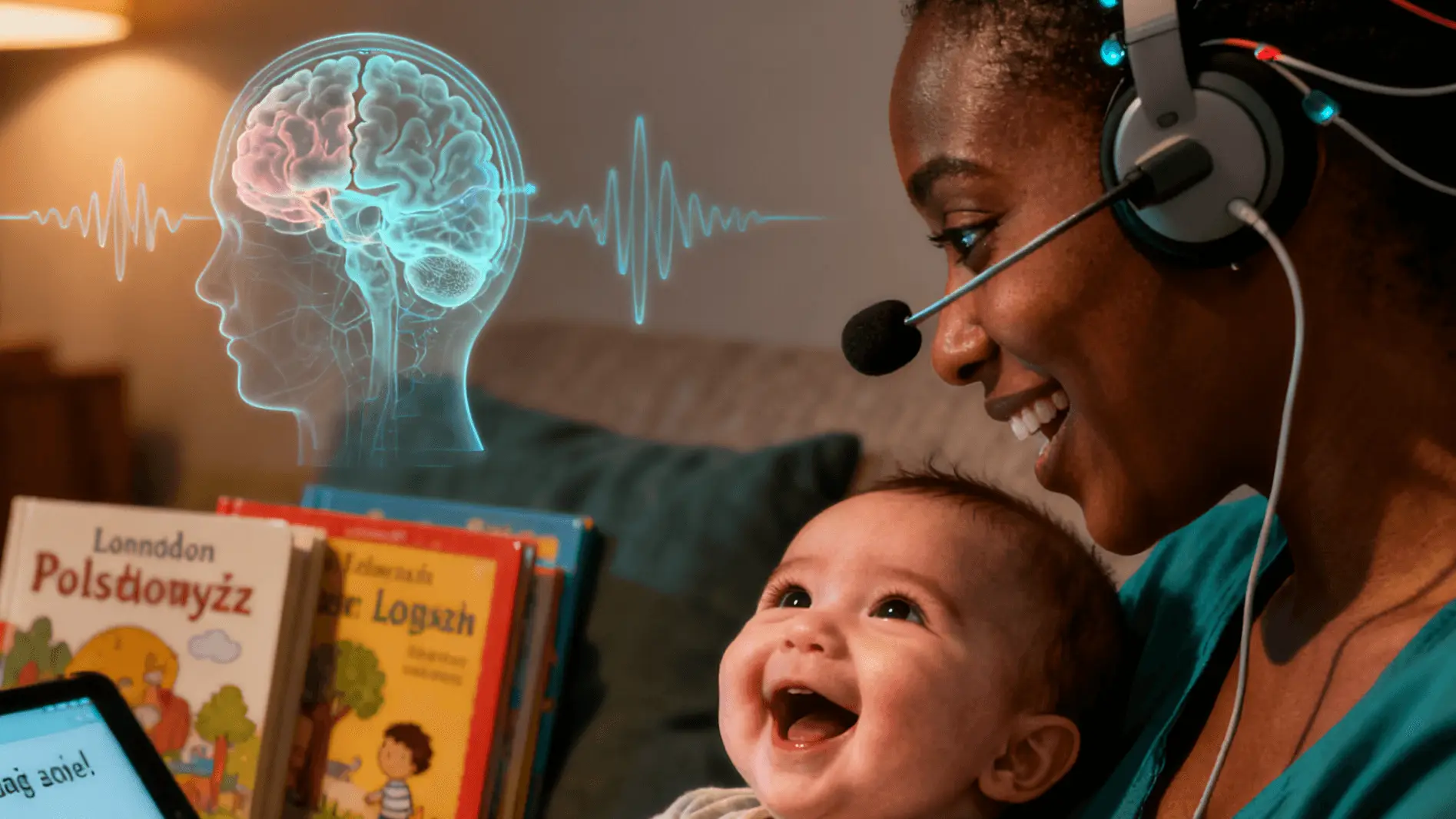
Based on NIH recommendations, the most effective approaches leverage brain adaptability through:
Comparative data from US immersion programs show:
The Hart-Risley study (University of Kansas) established that:
Disclaimer: The content provided regarding is for informational purposes only and does not constitute professional advice. Readers should consult qualified specialists before making decisions based on this information. The author and publisher disclaim liability for any outcomes resulting from actions taken based on this content.
Emma Thompson
|
2025.09.19


