

 Feed back
 Privacy Policy
In an increasingly interconnected world, the ability to speak like a native provides unparalleled personal and professional advantages. However, traditional language learning methods frequently fall short in delivering authentic conversational skills, leaving learners frustrated with textbook knowledge that doesn't translate to real-world communication. This fundamental gap explains why language exchange partners have become the secret weapon for ambitious learners pursuing genuine fluency improvement.
The transformative power of native speaker practice lies in its immersive nature - it's not just about learning words, but absorbing how they live in the mouths of those who grew up with the language. Unlike conventional classroom approaches that prioritize grammar drills over spontaneous dialogue, interacting with language exchange partners provides exposure to the rhythm, humor, and cultural context that textbooks can't capture.
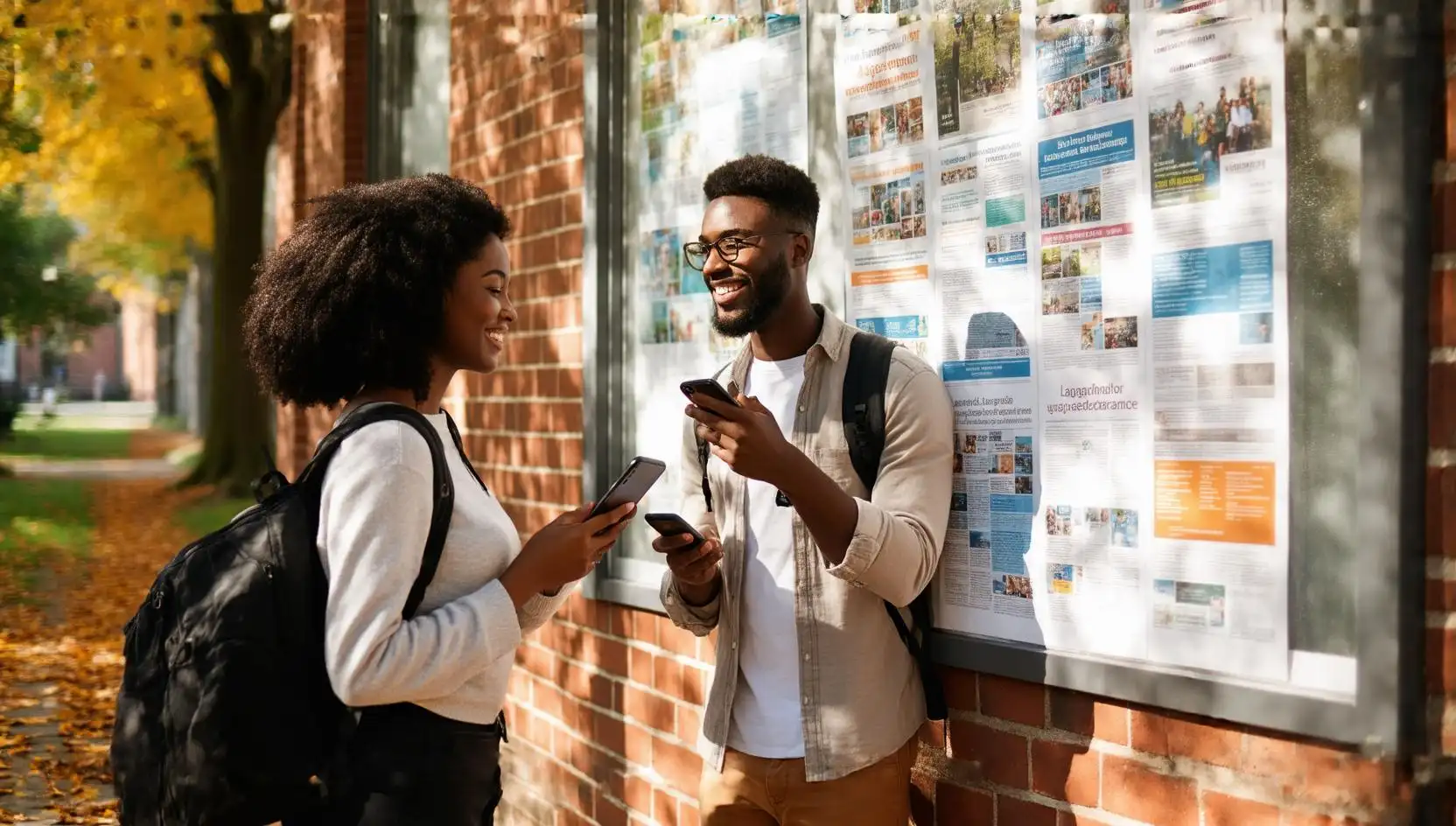
Research from Cambridge University's Department of Theoretical and Applied Linguistics reveals that learners engaging in regular native speaker practice develop neural pathways that mirror those of native speakers. The 2023study, which monitored brain activity during language tasks, found that participants using language exchange partners showed 32% greater activation in Broca's area (responsible for speech production) compared to traditional learners.
This neurological evidence explains why learners like Hiroshi, a Japanese engineer preparing for relocation to Germany, achieved conversational fluency in just seven months through daily exchanges with his language exchange partner Lena. "The difference wasn't just vocabulary," Hiroshi notes, "but how my brain started processing German instinctively, without translation."
Data from the Language Learning Foundation's 2024 Global Survey illustrates the measurable impact of native speaker practice:
These statistics demonstrate why language educators increasingly recommend supplementing formal study with language exchange partners for comprehensive fluency improvement.
The University of Melbourne's Applied Linguistics Department (2023) found that real-time speaking feedback creates a 40% stronger memory imprint compared to corrections received hours or days later. This explains the remarkable efficiency of exchanges where language exchange partners provide instant guidance on pronunciation, grammar, and word choice.
Consider Maria, a Spanish student who struggled with English vowel sounds until her language exchange partner Tom implemented a color-coded correction system during their video calls. "Seeing his facial cues and getting immediate corrections helped me rewire my mouth muscles," Maria reports, noting her pronunciation improved more in three months than two years of classroom study.
Modern platforms have elevated native speaker practice through innovative features:
These tools augment the benefits of human interaction, creating a powerful hybrid approach to fluency improvement.
A 2023 Oxford University Press study identified cultural context as the most significant differentiator between fluent speakers and those who truly speak like a native. This includes understanding when to use formal vs. informal registers, how to soften requests appropriately, and recognizing culturally-specific humor - nuances best learned through ongoing interaction with language exchange partners.
Take Ahmed, an Arabic speaker learning Korean. Through his exchange with Soo-jin, he discovered that direct translations of Arabic pleasantries often sounded abrupt in Korean. "Soo-jin taught me the subtle art of Korean indirectness," Ahmed explains, "something no textbook covered."
Data from the International Language Exchange Association shows that learners who incorporate cultural discussions with their language exchange partners achieve:

Q: How many hours per week should I dedicate to language exchange?
Research suggests 3-5 hours weekly provides optimal results, with sessions ideally spaced across multiple days for retention.
Q: Are paid language exchange platforms better than free options?
While free platforms offer excellent opportunities, paid services often provide more structured experiences with verified partners and additional learning resources.
Q: Can older learners benefit equally from language exchanges?
Absolutely. While children may acquire accents more easily, adults benefit from cognitive advantages in pattern recognition and cultural understanding during native speaker practice.
Disclaimer: The information provided regarding Why Native Speaker Interaction Boosts Language Fluency Faster is for educational purposes only and does not constitute professional linguistic advice. Readers should consult qualified language instructors for personalized guidance. The author and publisher disclaim any liability for decisions made based on this content.
Victoria Summers
|
2025.09.02


